1
/
of
1
dont use- 2017 (750ml)
Regular price
$29.99
Sale price
$29.99
Regular price
$34.99
Unit price
/
per
Shipping calculated at checkout.
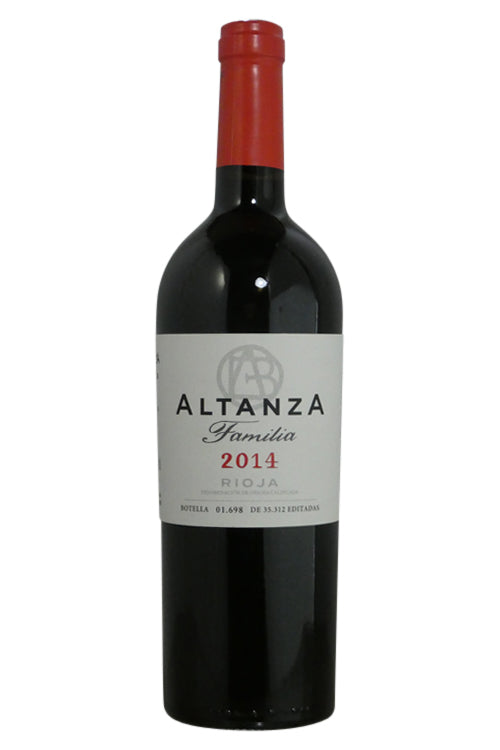
Powerful wine, slightly fruity in the nose and mouth. Elegant, with a persistent aftertaste. It is perfect to pair with rich and strong flavored food as lamb cutlets roasted in vine shoots.
Dark maraschino cherry, with garnet glints at the edge; very deep. Harmonious blend of black cherry, liquorice, fig, pepper, clove, tobacco and a hint of leather. Its expressive bouquet incites drinking. Fresh and tasty all the way through. A wellbalanced, well-structured wine, with oaky blending seamlessly with black cherry and fruit preserve flavours, though the last remain longer
Very versatile, it goes well with both heavy dishes (e.g. lamb) and lighter ones, like tapas or fruity desserts. Suggestion: fresh goat cheese with quince or fig jam.
AWARDS
92 points Guía Peñín 2021
Gold Medal Berliner Wine Trophy
Winemaker's Notes
Winemaker's Notes
Share :

- varietal
- Region
- Sub - Region
- Type
- Reviews

Product Review
Powerful wine, slightly fruity in the nose and mouth. Elegant, with a persistent aftertaste. It is perfect to pair with rich and strong flavored food as lamb cutlets roasted in vine shoots.
Dark maraschino cherry, with garnet glints at the edge; very deep. Harmonious blend of black cherry, liquorice, fig, pepper, clove, tobacco and a hint of leather. Its expressive bouquet incites drinking. Fresh and tasty all the way through. A wellbalanced, well-structured wine, with oaky blending seamlessly with black cherry and fruit preserve flavours, though the last remain longer
Very versatile, it goes well with both heavy dishes (e.g. lamb) and lighter ones, like tapas or fruity desserts. Suggestion: fresh goat cheese with quince or fig jam.
AWARDS
92 points Guía Peñín 2021
Gold Medal Berliner Wine Trophy
Coined by Jancis Robinson as "Spain’s answer to Cabernet Sauvignon," its style varies significantly depending on terroir and the wine-making techniques used. Cooler regions and stainless steel fermentation tend to produce Tempranillos with fresh strawberry and cherry like fruit, similar in body to Pinot Noir. Examples from hotter, more arid regions that undergo extended oak aging often produce richer, plumper, jammier wines, typically exhibiting chocolate, tobacco, and leather notes. Tempranillo provides the backbone of the highly regarded wines of Rioja, Toro and Ribera del Duero. In Rioja particularly, it is typically blended with Garnacha (Grenache), Mazuelo (Carignan) and Graciano. In La Mancha and Navarra, it is commonly blended with Cabernet Sauvignon and Merlot to produce inexpensive, great-value wines. One of the few places Tempranillo has spread to is Spain’s neighbour, Portugal. Grown mainly in the Douro valley since the mid 19th century, where they call it Tinta Roriz, it is used as one of the key blending agents in port. Lately it has been used in the region's intensely rich, dry, table wines.
A high elevation section of Rioja located on the southern side of the Ebro river, west of Logroño.
Red wine is wine made from dark-coloured grape varieties. The color of red differs based on the grapes variety or varieties used.Interestingly, black grapes yield a juice that is greenish-white. The actual red color comes from anthocyan pigments (also called anthocyanins) from the skin of the grape (exceptions are the relatively uncommon teinturier varieties, which produce a red colored juice). Most of the production centers around the extraction of color and flavor from the grape skin.