1
/
of
1
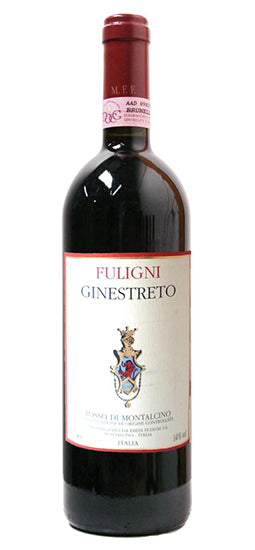
Fuligni Ginestreto Rosso di Montalcino - 2022 (750ml)
Regular price
$44.99
Sale price
$44.99
Regular price
$59.99
Unit price
/
per
The 2022 Rosso di Montalcino Ginestreto is gorgeous and classic to the house style, with a cascade of dried black cherries, rose petals, cloves and spice, all complicated by hints of flowery undergrowth. It's silken and serene with ripe wild berry fruits and juicy acidity balanced by tactile mineral tones throughout. This finishes staining, long and spicy, yet leaves the mouth watering for more as traces of licorice and clove taper off. Wow.
The Fuligni Brunello remains one of the region's benchmarks, yet it costs a pretty penny. Luckily, the estate has the Rosso di Montalcino Ginestreto, which expresses the house style beautifully and ages remarkably well. This is next-level Rosso di Montalcino. It spends six months refining in Allier tonneaux and another six months in bottle. My only reservation is that the wine would be better served with an extra year of bottle age prior to release.
- Eric Guido July 2024
Share :

- varietal
- Region
- Reviews
By far the most significant variety in central Italy, it is the main grape in 25 of Tunscay’s 42 DOCs and also the backbone to the region’s most highly acclaimed wines. It’s capacity to adapt and evolve according to its suroundings is partly why it has acquired so many clones and synonyms. In Chianti Classico it is often referred to as Sangioveto, while in the towns of Montalcino and Montepulicano (not related to the variety grown in Abruzzo) it goes by Brunello and Prugnolo Gentile respectively. Other synonyms include Morellino in southern Maremma, and Nielluccio in Corsica. With this in mind it is no surprise there is such variety in styles, varying from light young wines like Chianti Classico all the way through to gloriously rich and powerful Brunellos that can benefit from decade or more bottle maturation. Sangioveses that see little to no oak, typically show bright, tart red fruit of cherries and redcurrants while olives, herbs, and meat juices are noted in more savory examples. The grape’s acidity makes it a good accompaniment to food which is also high in acidity. Tomato based dishes and a great variety of Italian cuisine can pair incredibly well.
Tuscany is practically synonymous with Italian wine. Red wine, principally made from Sangiovese, accounts for most of the region’s production. Whether it’s a light Chianti, bold Brunello di Montalcino, or fruit-forward Super Tuscan there is a wine for just about everyone. Other sub-regions within Tuscany include Maremma, Bolgheri, and Rosso di Montalcino.