1
/
of
1
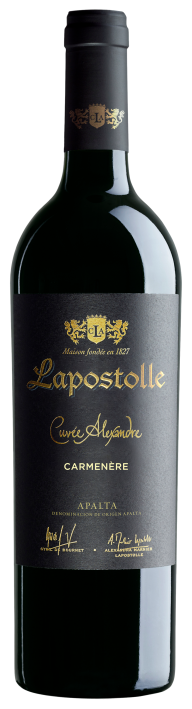
Casa Lapostolle Carmenere Cuvee Alexandre - 2024 (750ml)
Regular price
$26.99
Sale price
$26.99
Regular price
$29.99
Unit price
/
per
Shipping calculated at checkout.
85% Carmenère, 10% Syrah, 5% Petit Verdot.
This Cuvée Alexandre Carmenère is sourced from selected parcels of our own vineyards in the famous Apalta Valley. Aromas of ripe and spicy fruit, soft tannins and an elegant balance, the result is a unique wine true to its origin, a world-class expression of a Carmenère.
Notes Color: Dark purple-red.
Nose: Expressive nose, with spices and black fruit such as maqui, ripe plums and blackberry.
Palate: Elegant, with medium acidity and round tannins. Good volume and concentration of ripe red fruit, juicy palate and a long and persistent finish.
Availability:
1 In Stock
$25 Shipping on Orders +$299
Couldn't load pickup availability
Share :

- varietal
- Region
- Type
- Reviews

It is no wonder Carmenere is often compared to Merlot and Cabernet Sauvignon. Offering the soft plummy fruit of Merlot while maintaining the tannic structure of Cabernet Sauvignon it remains distinct imparting a spicy and peppery quality. Once widely cultivated in Bordeaux, Carmenere's niche now lies in forming some of the most popular varietal wines of Chile. Due to the grapes susceptibility to poor fruit set (coulure) and low yields, Carmenere was one of the varieties that didn't get replanted after the Phylloxera epidemic that hit Bordeaux at the end of the 19th Century. Meanwhile in Chile it wasn't until 1994 that the grape, which many mistook for Merlot and that contributed a large proportion of the countries quality wine, was correctly identified. In addition a large swathe of what was thought to be Cabernet Franc in northern Italian regions of Lombardy, and Veneto turns out to have been Carmenere.
Red wine is wine made from dark-coloured grape varieties. The color of red differs based on the grapes variety or varieties used.
Interestingly, black grapes yield a juice that is greenish-white. The actual red color comes from anthocyan pigments (also called anthocyanins) from the skin of the grape (exceptions are the relatively uncommon teinturier varieties, which produce a red colored juice). Most of the production centers around the extraction of color and flavor from the grape skin.