1
/
of
1
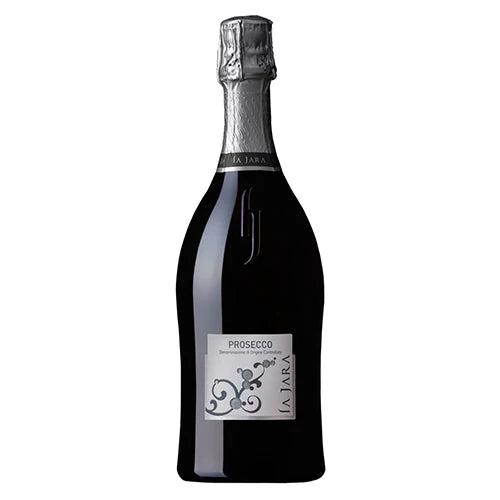
La Jara Prosecco - NV (750ml)
Regular price
$13.99
Sale price
$13.99
Regular price
$15.99
Unit price
/
per
Shipping calculated at checkout.
La Jara' in local dialect is the name for 'gravel', the calcareous white stones that are the predominant influence in the La Jara vineyards. Deposited by the Piave River over centuries, these white stones accumulate heat during the day and slowly release it during the night, enhancing the freshness and aromatics of these unique wines. This land belongs to the Marion family, owners of the farm La Jara since 1891. The great passion for the land and for its fruits has been handed down from generation to generation, and is now perpetuated by Massimo Marion and his brother Paolo, who have been running the Estate since 1999.
Certified Organic
$25 Shipping on Orders +$299
Couldn't load pickup availability
Share :

- varietal
- Region
- Reviews
Product Review
Sourced from Fruili, Italy this Prosecco offers aromas of fragrant honeysuckle, apple, and lemon. On the palate, creamy fine bubbles, white peach, and ripe honeydew melon are balanced by zippy acidity. An elegant citrus finish.
A pale and light grape indigenous to northern Italy that makes one of the countries most popular sparkling wines. Most Prosecco is made in an extra extra dry, or off dry, style offering fruity aromas of confected pears and peaches. A small percentage are made in a dry Brut style offering bracing green apple and citrus fruit. Since the 2009 vintage the Prosecco zone in the Veneto region was elevated from DOC to DOCG status, joining the ranks with the likes of Barolo, Chianti and Brunello Di Montalcino. At the same time the grape was renamed from Prosecco to Glera. Now anything made outside of the region must be labeled Sparkling Glera, offering extra protection for the zone's 5,000 or so small producers. Most of the regions production (roughly three quarters) is made in a spumante or fully-sparkling style. The rest made frizzante (semi-sparkling), and a tiny amount (less than 3%) is reserved for making still wine, most of which is consumed domestically.